A tree deserves an arborist consultation when its health, structure, or ownership isn’t clear. The visit can help you define the problem before approving pruning, treatment, or removal.
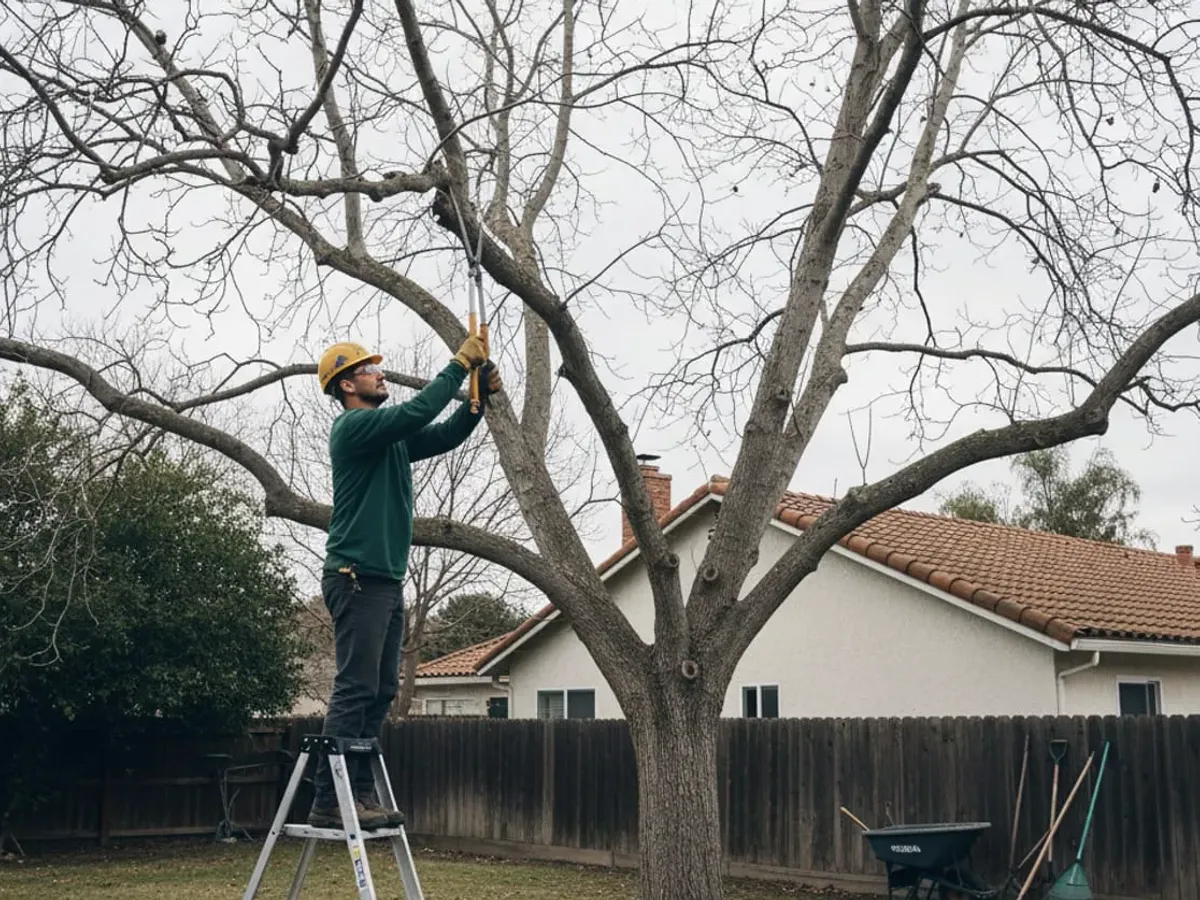
What an arborist consultation can examine
An arborist consultation is an assessment, not automatic approval for tree work. The arborist can examine visible roots, the root flare, trunk, branch attachments, canopy, and nearby targets. They can also review changes around the tree, such as construction, irrigation changes, soil compaction, or recent branch failure.
The first goal should be a clear question. You might need help identifying a pest. You might want to know why one side is thinning. You may need options for a branch over a roof. Another visit may focus on whether proposed excavation could affect established roots.
These are different assignments. Tell the arborist what decision you must make. Ask what the basic visit includes and whether testing, photographs, measurements, or a written report cost extra. Limb SD’s arborist consultation service connects property owners with licensed, independent local tree professionals. The professional sets the scope and performs any agreed work.
A consultation may lead to monitoring rather than cutting. It may also identify work that needs a separate proposal. Diagnosis, pruning, pesticide treatment, and removal shouldn’t be treated as one undefined service.
Ask the arborist to separate observations from conclusions. A sparse canopy alone doesn’t identify the cause. Water deficit, excessive moisture, root injury, pests, and other disorders can produce similar symptoms. The tree’s species, condition, site history, and affected tissues all matter.
An arborist is a tree-care professional. An ISA Certified Arborist holds an individual professional credential, not a California contractor license. That distinction matters when advice later becomes paid physical work.
Tree problems common across San Marcos properties
San Marcos sits within a county where trees face several documented pests. That doesn’t mean a particular tree is infested. It means unusual symptoms deserve identification before someone recommends treatment or removal.
Goldspotted oak borer contributes to ongoing oak mortality in many areas across San Diego County. Crown thinning and bark staining aren’t enough to confirm it. An arborist should consider the oak species, visible evidence, damage extent, and other possible causes.
Polyphagous shot hole borer can affect hosts including coast live oak, California sycamore, avocado, liquidambar, and coral tree. Its small exit holes can be difficult to interpret without experience. A hole in bark isn’t a reliable diagnosis by itself.
South American palm weevil is established in San Diego County and kills Canary Island date palms. Suspected cases should be reported to the county agricultural commissioner. Severe internal damage can affect the crown, so don’t climb or probe a declining palm yourself.
Other consultations concern structure rather than pests. Useful warning signs include fresh soil movement, a newly changed lean, a split branch union, hanging wood, or recent root damage. Keep people away from a moving or actively splitting tree. If branches contact or threaten power lines, contact the utility and follow its direction before arranging ordinary tree work.
Jurisdiction also matters. San Marcos is an incorporated city, while Lake San Marcos is an unincorporated community. A mailing address alone may not settle which authority controls the parcel. San Marcos Public Works accepts removal applications for trees, hedges, and large shrubs on public property or rights-of-way. Confirm the tree’s location before hiring anyone to alter it.
Our San Marcos tree service page explains how the referral process works locally. The matched company should inspect the actual tree before proposing physical work.
When a written report may be needed
A spoken consultation may be enough for routine care choices. A written report can help when several people must review the same findings. That may include a property owner, HOA, neighbor, insurer, engineer, attorney, or public agency.
The report’s purpose should control its contents. A basic condition summary isn’t automatically a risk assessment, construction-impact review, permit document, or legal opinion. Ask the intended recipient what they require before booking the visit.
A useful scope can identify the tree, record visible conditions, explain limitations, and list recommended next steps. If photographs, measurements, testing, or a specific report format are necessary, put those items in the agreement. Don’t assume every consultation includes a report.
A report also doesn’t replace permission. For a San Marcos tree on public property or within a right-of-way, confirm the City’s current process. For an unincorporated parcel, a development project, protected habitat, or recorded easement, another authority may control the proposed disturbance.
Reports can also support communication when roots or branches cross a property line. The arborist can discuss tree condition and how proposed cuts may affect it. A surveyor resolves a disputed boundary. A California attorney advises on ownership rights and liability.
Before ordering formal documentation, read our guide to an arborist report in San Diego. It explains why the audience and decision should be clear first.
No verified standard hourly rate for San Marcos arborist consultations appears in the approved sources. Providers set their own prices and report terms. Request a written quote that identifies the visit, deliverables, exclusions, and any follow-up work.
What to prepare before the property visit
Start with the decision you’re facing. “Look at my tree” is too broad. “Assess the new lean after soil moved near the trunk” gives the arborist a useful starting point.
Prepare a short timeline. Note when you first saw the problem and whether it changed. Include recent trenching, paving, grading, irrigation changes, construction, pruning, or branch failure. Don’t guess at causes. A clear history is more useful than a confident diagnosis.
Gather documents connected to the assignment. These may include a site plan, survey, HOA request, agency notice, prior tree report, or photographs taken safely from the ground. Mark the tree’s location and explain who owns the property. If the tree might stand in a public right-of-way, say so before the visit.
Provide access details without assuming the arborist will bring equipment. Mention gates, stairs, slopes, pets, locked yards, tenants, and areas that can’t be entered. A consultation may only involve ground-level observation. Any climbing, aerial inspection, testing, or excavation should be agreed separately.
Keep the area beneath a damaged tree clear. Don’t move fallen material near a line, climb for close photographs, peel bark, or dig around structural roots. If a line is down, stay away and contact emergency services and the utility before calling a private tree company.
Write down the result you need. It may be a care plan, treatment discussion, pruning objective, removal assessment, or formal report. If tree removal becomes an option, ask for a current project quote. No verified source establishes a universally cheapest season for San Marcos removal. Access, condition, equipment, disposal, and the approved scope can change each proposal.
How to check an arborist’s credentials
Credentials should match the assignment. ISA certification belongs to an individual. A California contractor license belongs to the contracting business or qualifying entity. Neither should be inferred from a company name, photograph, uniform, or verbal claim.
Ask for the full name of the person providing arboricultural advice. You can review ISA’s Trees Are Good resources and request the person’s digital certificate. An absent directory listing doesn’t automatically disprove certification because participation details may be omitted.
If the project includes paid pruning, removal, stump grinding, or other contracting work, check the business through the official CSLB license lookup. Current C-49 Tree and Palm Contractor licenses exist alongside valid legacy C-61/D-49 classifications. Don’t reject a contractor only because the record shows the older valid classification.
Review the license status and classification for the proposed work. Ask how the job will be staffed and verify the current workers’ compensation record. California’s current rules don’t make every C-49 holder automatically covered or automatically exempt. Coverage requirements depend partly on whether the contractor has employees.
Insurance documents deserve a direct review too. A certificate of insurance isn’t the policy and doesn’t expand its coverage. Ask the insurer or agent to resolve questions about current coverage and exclusions. The contractor license bond is also different from general liability insurance and workers’ compensation.
ISA certification doesn’t authorize pesticide applications. If a proposal includes insecticide, fungicide, herbicide, injection, or another regulated pesticide service, ask for the applicable California pesticide-business and applicator credentials. Request the product label, target pest, application method, and precautions in writing.
Our guide to hiring a certified arborist in San Diego provides a longer verification checklist. Limb SD refers homeowners to licensed, independent local pros. You contract with and pay the selected professional directly.
When to call us
Call when a San Marcos tree needs diagnosis, a defined pruning plan, a written assessment, or licensed physical work. Call us at (858) 400-4587 and we’ll connect you with a licensed local tree company.