A podocarpus screen can look healthy from the street while thinning inside. Yellow foliage, bare sections, and clearance conflicts each call for a different response. The right first step is identifying the plant and the affected area before pruning.
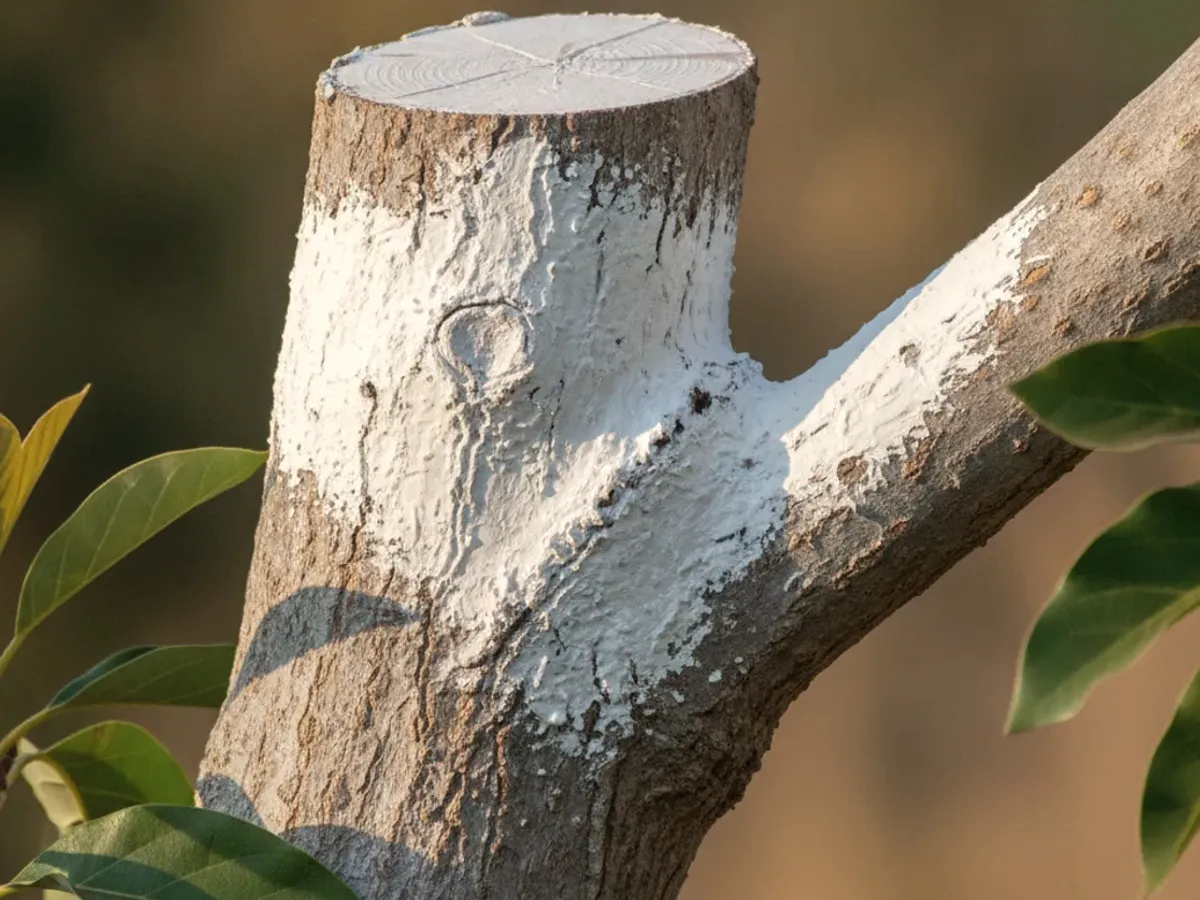
How to identify podocarpus before treating a problem
“Podocarpus” can describe different plants in Southern California landscapes. Confirm the botanical name before making a pruning or treatment plan. A nursery label, landscape plan, or qualified inspection can help.
Podocarpus macrophyllus, commonly called yew pine, is an evergreen coniferous shrub or tree. It has narrow, linear foliage and can develop a conical form. Landscapers also train it as a hedge or privacy screen.
Don’t confuse it with African fern pine. That plant may be labeled Afrocarpus falcatus, Afrocarpus gracilior, or Podocarpus gracilior. Botanical naming varies, but it isn’t the same plant as Podocarpus macrophyllus. Its unrestricted form and space needs can also differ.
Look at the whole plant from a safe position. Note whether it has one trunk, several stems, or a clipped hedge form. Photograph the foliage, trunk base, branch pattern, and affected sections. Don’t climb, strip bark, or cut branches solely for identification.
Cal Poly SelecTree profiles Podocarpus macrophyllus as an evergreen screen plant. Its general profile reaches 30 feet high and 20 feet wide. Those are planning dimensions, not a promised size for every San Diego yard. Cultivar, pruning history, soil, water, and available space all affect the result.
Identification matters because a hedge and a tree need different pruning goals. It also prevents a generic symptom from becoming a false diagnosis. Our guide to identifying trees in San Diego yards offers more ground-level identification steps.
What yellowing and thinning can indicate
Yellow or sparse podocarpus foliage doesn’t prove one disease. Similar changes can follow too little water, excessive moisture, poor drainage, root disturbance, salinity, or another tree-health problem. Start with conditions you can observe.
Check where the change began. Compare upper and lower foliage, inner and outer branches, and one side against the other. Also note recent irrigation changes, construction, trenching, paving, or soil compaction. These details help a professional narrow the possibilities.
Water deficit and excess can produce similar decline. Saturated soil limits oxygen around roots and can interfere with water uptake. Dry soil can also reduce uptake. That’s why adding more water to every yellow plant can make the problem worse.
Coastal and inland properties deserve different questions. Sea spray can leave salt injury on exposed foliage near Point Loma or La Jolla. Saline irrigation water and root-zone salts can also affect inland landscapes. Salt exposure may brown tips or margins, but those symptoms overlap other disorders. Soil and irrigation-water testing can help confirm salinity.
Hot, sunny, windy conditions can increase water demand in El Cajon, Poway, and other inland locations. That doesn’t create a universal watering schedule. Soil texture, drainage, plant size, root depth, and irrigation coverage still matter.
Inspect emitters and surface moisture without digging around structural roots. Surface dampness doesn’t prove water reached the active root zone. Likewise, dry mulch doesn’t establish that the soil below is dry.
A review of common San Diego tree diseases can help organize possible causes. It shouldn’t replace an assessment of the actual plant.
How hedging changes branch structure
Repeated shearing creates a different plant from an untrained podocarpus tree. A clipped screen may carry dense foliage around its outer surface. Interior branches can receive less light and may appear sparse when the hedge is opened.
That pattern doesn’t automatically mean the plant is dying. It does mean the pruning goal should be clear. Decide whether you need privacy, clearance, size reduction, structural improvement, or removal of damaged growth. One cut shouldn’t be expected to solve every concern.
Avoid stripping the exterior simply to expose the inside. Excessive foliage removal reduces the plant’s working leaf area. Mature trees and screens may respond poorly when large amounts are removed without a defined purpose. Each cut should serve the agreed objective.
Topping is also different from selective reduction. Cutting branches back to stubs can stress a tree and lead to poorly attached new growth. A qualified professional can identify suitable laterals and determine whether gradual reduction is more appropriate.
Older screens often contain competing stems, crossed branches, old cuts, and shaded interior wood. Those conditions require inspection, not an automatic thinning percentage. No single removal allowance works for every plant, age, or pruning history.
For a privacy hedge, discuss the finished dimensions before work starts. Include the required height, width, gate clearance, sightlines, and access for future maintenance. Our guide to privacy trees for San Diego backyards compares podocarpus with Italian cypress, yew pine, African fern pine, and Carolina cherry laurel.
Ask the independent provider to describe the named cuts in writing. The scope should distinguish shearing, selective pruning, reduction, and removal. It should also state who handles debris and any follow-up inspection.
When roots or clearance become the main concern
A podocarpus problem may have little to do with foliage. The main issue may be a narrow side yard, blocked walkway, roof contact, utility conflict, or roots near paving. Those conditions change the decision.
Cal Poly’s general profile gives Podocarpus macrophyllus a low root-damage potential. “Low” doesn’t mean zero. It also doesn’t prove that roots caused a particular crack or lifted surface. Soil movement, construction, drainage, and other roots may be involved.
Don’t cut established roots based on distance alone. Root cutting and soil compaction can cause delayed decline. Injury to larger roots can also affect stability, especially in wet soil. A tree professional should assess the root, tree condition, and alternatives before excavation.
Root barriers can redirect some roots, but they don’t promise permanent protection. Results depend on the barrier, drainage, soil, installation, and existing roots. Trenching through established roots can create the problem the barrier was meant to prevent.
Separate tree assessment from infrastructure diagnosis. A qualified arborist can evaluate the tree and likely effects of root work. A licensed plumber should inspect a suspected sewer problem. A structural professional should assess building movement. A nearby root doesn’t establish the cause of damage.
Overhead clearance needs the same care. The SelecTree profile doesn’t consider yew pine suitable beneath utilities. If branches are near power lines, don’t use the tree’s species or height to decide who may prune it. Contact the utility and follow its direction.
City jurisdiction also matters. A hedge inside a private yard differs from a street or right-of-way tree. For work within the City, start with the applicable San Diego tree service information and confirm ownership and required authorization before cutting.
When an arborist inspection can help
An inspection is useful when the symptom, cause, or pruning objective remains unclear. It can also help when roots, major limbs, utilities, construction, or property boundaries affect the decision.
Bring a short history of the plant. Include irrigation changes, recent digging, pruning dates, visible progression, and any landscape work nearby. Photos taken over time can show whether thinning is stable or expanding. Keep observations factual. Don’t label the cause before it’s assessed.
Ask the professional to separate observations from conclusions. The written scope should identify the plant, visible concerns, recommended work, and important limits. If testing or a formal report matters, confirm whether it’s included before hiring.
An ISA Certified Arborist credential belongs to an individual. It isn’t a California contractor license. You can review credential information through ISA’s Trees Are Good resources and ask the person for current verification. An absent directory listing alone doesn’t disprove certification because some listing details may be omitted.
For contracted tree work, verify the company through the CSLB license lookup. Check the active record and classification appropriate to the proposed scope. A current C-49 classification or a valid legacy C-61/D-49 classification may apply.
Limb SD can arrange an arborist consultation with an independent local professional. The customer contracts with and pays that provider directly. Confirm inspection details, report scope, pruning recommendations, and scheduling with the company before hiring.
When to call us
Call when thinning is spreading, major roots may be affected, or the pruning scope isn’t clear. A licensed tree service pro should handle work at height, powered equipment, substantial root cuts, and complex clearance conflicts.
Call us at (858) 400-4587 and we’ll connect you with a licensed local tree company.